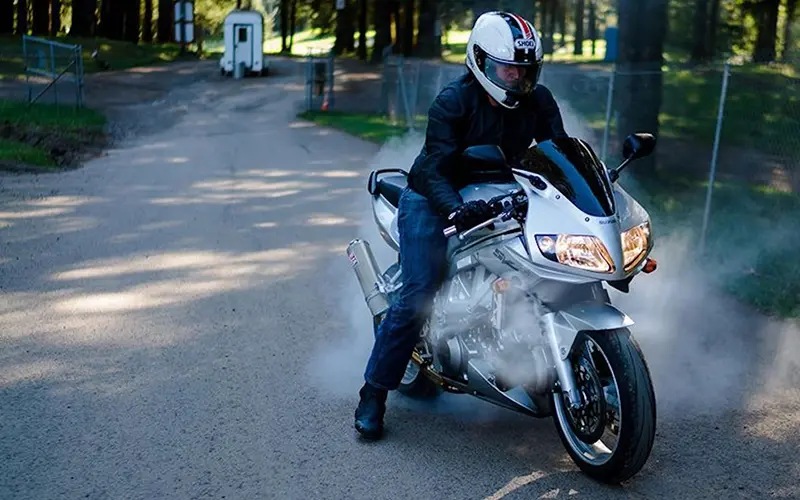





Since its debut in 1999, the Suzuki Hayabusa has earned a reputation as one of the most reliable high-performance motorcycles ever built. Across three generations, it has combined immense power with durability that few hypersport bikes can match. Even so, no motorcycle is immune to wear, and the Hayabusa has a handful of well-known issues that owners encounter over time.
This guide covers the most common Suzuki Hayabusa problems reported across Gen 1 (1999-2007), Gen 2 (2008-2020), and Gen 3 (2021-present). We’ll explain what causes them, the warning signs to watch for, and how to prevent minor issues from becoming expensive repairs. Whether you already own a Hayabusa or are thinking about buying one, understanding these common faults can help you keep the bike reliable for years to come.
Aliwheels stocks Hayabusa-specific parts, including speedometer clusters for all three generations. Browse the complete Suzuki Motorcycle Parts category for all Hayabusa parts & accessories.
And for background context on how the Hayabusa is as a machine, the existing Suzuki Hayabusa Pros and Cons Guide on the Aliwheels blog covers the ownership considerations from a buyer’s perspective.
The Hayabusa’s Reputation vs. Reality
The Suzuki Hayabusa is widely regarded as one of the most dependable hypersport motorcycles ever built, especially considering its 1,300cc-plus engine and superbike-level performance. With regular maintenance, many Hayabusas cover well over 100,000 miles without major engine problems.
That said, reliability doesn’t mean the bike is maintenance-free. Most common Hayabusa issues fall into three areas: electrical problems, particularly involving the charging system; normal mechanical wear from a high-performance engine; and reliability issues caused by aftermarket modifications or poor maintenance. Knowing what to watch for helps prevent small problems from turning into expensive repairs.
Problem #1: Instrument Cluster or Speedometer Problems
Instrument cluster and speedometer faults are among the most commonly reported Hayabusa issues across all three generations. While Suzuki has refined the electronics over the years, age, vibration, and electrical wear can still cause display or speedometer problems.
On Gen 1 models (1999-2007), the speedometer may read erratically or stop working altogether. In many cases, the culprit isn’t the instrument cluster itself but a faulty front wheel speed sensor or a corroded wiring connector. Inspecting and cleaning the connector should always be the first step before replacing any components. If the cluster has failed, ensure the replacement matches your model year and generation.
The Suzuki Hayabusa Speedometer 1999-2007 is available at Aliwheels, certified and tested, covering the complete Gen 1 production run.
Gen 2 (2008-2020): Instrument cluster problems typically appear as a failed backlight, intermittent LCD, or a completely blank cluster. High-mileage bikes can develop cracked solder joints from years of engine vibration. Because the Gen 2 instrument cluster is a sealed unit, replacement is generally the most reliable repair rather than attempting to fix individual components.
The Suzuki Hayabusa Speedometer GSXR1300 2008-2020 covers the complete Gen 2 range at Aliwheels.
Gen 3 (2021-Present): Instrument cluster failures are uncommon, but the TFT display is integrated with the bike’s electronics, including the IMU and rider aids. If display issues occur, proper diagnosis with Suzuki diagnostic equipment is recommended before replacing any components.
| Generation | Cluster Type | Common Failure | Aliwheels Part |
| Gen 1 1999-2007 | Analogue + digital | Speed sensor/connector | Speedometer 1999-2007 |
| Gen 2 2008-2020 | Analogue + digital | Backlight/solder joints | Speedometer 2008-2020 |
| Gen 3 2021+ | Full TFT | Rare: dealer diagnosis | Consult support |

Problem #2: Charging System Problems (Gen 1 & Gen 2)
Charging system failures are a well-known issue on Gen 1 (1999-2007) and some Gen 2 (2008-2020) Hayabusas. The stator and rectifier/regulator generate significant heat, and over time this can lead to charging problems.
Common symptoms include a battery that won’t stay charged, charging voltage below 13V at idle, or above 15V while riding, which often points to a failing regulator. In more severe cases, the stator can overheat and burn out.
On high-mileage Gen 1 models, replacing the rectifier/regulator is often considered preventative maintenance by experienced owners. Before buying a new battery, always test the charging system. A battery that repeatedly goes flat is usually the result of a faulty stator or regulator, not the battery itself.
Problem #3: Oil Consumption on High-Mileage Gen 1 Models
High-mileage Gen 1 Hayabusas (1999-2007), particularly those with 60,000 miles or more, may begin consuming oil as the valve guide seals wear. This is a common age-related issue rather than a sign of major engine failure.
If you find yourself topping up the oil between service intervals, monitor the consumption closely. Excessive oil use should be investigated, with worn valve guide seals being one of the most common causes on older, higher-mileage engines.
Problem #4: Clutch Wear on High-Mileage or Modified Bikes
The Hayabusa’s clutch is durable in stock form, but high mileage and engine modifications can significantly accelerate wear. Bikes with performance upgrades place much greater demand on the clutch, shortening its service life.
Common signs include clutch slip under hard acceleration, difficulty shifting smoothly, and changes in clutch lever feel or engagement point. If these symptoms appear, inspect the clutch pack before the problem worsens.
For replacement of clutch components, browse the Suzuki Hayabusa parts range at Aliwheels.
Problem #5: Crash and Frame Slider Damage
While not a mechanical fault, crash-related damage is common among Hayabusa owners. The bike is a popular choice for track days and performance riding, where even a minor tip-over or low-side can damage fairings, engine covers, and frame-mounted components.
Inspect frame sliders and engine case protectors after any incident, and replace damaged body panels promptly to maintain proper fitment and protection. Aliwheels stocks a wide range of Suzuki Hayabusa bodywork, crash protection, and replacement components.
Hayabusa Parts at Aliwheels

Whether you’re maintaining a stock Hayabusa or repairing a high-mileage machine, Aliwheels offers a wide range of Suzuki Hayabusa parts across all generations. Browse the Suzuki Motorcycle Parts collection for model-specific components, and contact the support team for fitment confirmation by year and generation before ordering. Free worldwide shipping is available on orders over $300.
Conclusion
The Suzuki Hayabusa has earned its reputation as one of the most reliable hypersport motorcycles ever built. With routine maintenance, many examples cover exceptionally high mileages without major engine issues. The most common problems involve the charging system, instrument cluster, oil consumption on older Gen 1 models, and clutch wear on modified bikes. Addressing these issues early helps preserve the Hayabusa’s performance, reliability, and long-term value for years to come.
Frequently Asked Questions
Q: Is the Suzuki Hayabusa reliable for daily riding?
A: Yes. With regular maintenance, the Hayabusa is one of the most reliable hypersport motorcycles available. Routine servicing and early attention to common issues help keep it dependable for daily use.
Q: What is the most common Suzuki Hayabusa problem?
A: Instrument cluster and speedometer issues are among the most frequently reported problems. On Gen 1 models, the cause is often a faulty speed sensor or corroded connector, while Gen 2 models are more prone to backlight or display failures.
Q: How many miles can a Suzuki Hayabusa last?
A: A well-maintained Hayabusa can easily exceed 100,000 miles. Many Gen 1 and Gen 2 owners report 80,000 to 150,000 miles on the original engine with proper servicing.
Q: Why is my Gen 1 Hayabusa speedometer not working?
A: The most common causes are a faulty front wheel speed sensor or a corroded electrical connector. Inspect and clean the connector before replacing the sensor or instrument cluster.
Q: Where can I buy Suzuki Hayabusa replacement parts?
A: Aliwheels offers a wide selection of Suzuki Hayabusa parts, including instrument clusters, clutch components, bodywork, and other model-specific replacement parts for all three generations.